Importance of dietary intake and immunity in this global pandemic: in the perspective of microbiome makeup
DOI:
https://doi.org/10.31783/elsr.2020.626773Keywords:
adaptive immunity, dietary changes, innate immunity, microbiome, probioticsAbstract
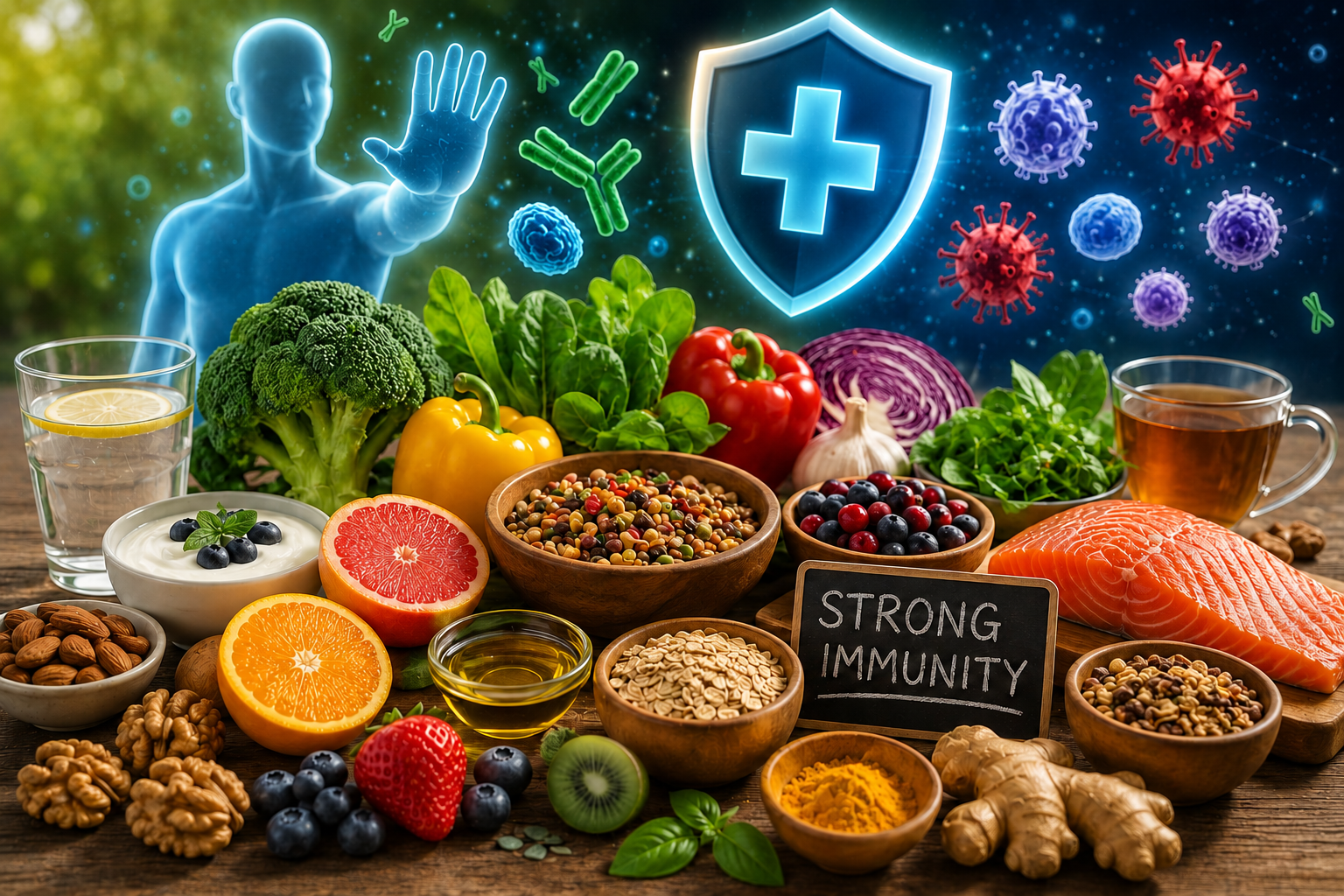
This article suggests the importance of the microbial makeup of our body and how it impacts the immune system and influence of diet towards the microbiome and vice versa. The dietary effects that possibly modulate innate and adaptive immunity are essential to managing this global pandemic. Furthermore, usage of probiotic products and how it directly powers the microbiota and its metabolites to have a positive convergence with gut cells are discussed here. This article gives an insight into the microbiome and its consequence in immunity that has a direct and indirect influence.
References
[1] F. De Vadder, P. K.-Datchary, D. Goncalves, J. Vinera, C. Zitoun, A. Duchampt and F. Backhed et al., (2014). Microbiota-generated metabolites promote metabolic benefits via gut-brain neural circuits. Cell, 156: 84-96.
[2] M. Kumar, P. Babaei, B. Ji and J. Nielsen (2016). Human gut microbiota and healthy aging:
Recent developments and future prospective. Nutrition Healthy Aging, 4: 3-16.
[3] H. M. Hamer, V. D. Preter, K. Windey and K. Verbeke (2012). Functional analysis of colonic bacterial metabolism: relevant to health?. Am. J. Physiol Gastrointest Liver Physiol., 302: G1-G9. doi:10.1152/ajpgi.00048.2011.
[4] G. Frost, M. L. Sleeth, M. S.-Arisoylu, B. Lizarbe, S. Cerdan, L. Brody and J. Anastasovska et al., (2014).The short-chain fatty acid acetate reduces appetite via a central homeostatic mechanism. Nat. Commun., 5: 3611. doi:10.1038/ncomms4611.
[5] M. X. Byndloss, E. E. Olsan, F. R.-Chávez, C. R. Tiffany, S. A. Cevallos, K. L. Lokken, T. P. Torres et al., (2017). Microbiota-activated PPAR-g signaling inhibits dysbiotic Enterobacteriaceae expansion. Science, 357: 570-575.
[6] Z.-H. Zhao, F.-Z. Xin, Y. Xue, Z. Hu, Y. Han, F. Ma and D. Zhou et al., (2019). Indole-3-propionic acid inhibits gut dysbiosis and endotoxin leakage to attenuate steatohepatitis in rats. Exp. Mol. Med., 51: 1-14.
[7] N. B. Kristensen, T. Bryrup, K. H. Allin, T. Nielsen, T. H. Hansen and O. Pedersen (2016). Alterations in fecal microbiota composition by probiotic supplementation in healthy adults: a systematic review of randomized controlled trials. Genome Med., 8: 52. doi: 10.1186/s13073-016-0300-5.
[8] E. M. M. Quigley (2017). QuigleyGut microbiome as a clinical tool in gastrointestinal disease management: are we there yet? Nat. Rev. Gastroenterol. Hepatol., 14: 315-320.
[9] C. D. Filippo, D. Cavalieri, M. D. Paola, M. Ramazzotti, J. B. Poullet, S. Massart and S. Collini et al., (2010).Impact of diet in shaping gut microbiota revealed by a comparative study in children from Europe and rural Africa. Proc. Natl. Acad. Sci. U.S.A., 107: 14691-14696.
[10] G. Marlow, S. Ellett, I. R. Ferguson, S. Zhu, N. Karunasinghe, A. C. Jesuthasan and D. Y. Han et al., (2013). Transcriptomics to study the effect of a Mediterranean-inspired diet on inflammation in Crohn's disease patients. Hum. Genomics, 7: 24. doi:10.1186/1479-7364-7-24.
[11] B. B. Matijasic, T. Obermajer, L. Lipoglavsek, I. Grabnar, G. Avgustin, I. Rogelj (2014). Association of dietary type with fecal microbiota in vegetarians and omnivores in Slovenia. Eur. J. Nutr., 53: 1051-1064.
[12] J. Vulevic, A. Juric, G. Tzortzis and G. R. Gibson (2013). A Mixture of trans-galactooligosaccharides reduces markers of metabolic syndrome and modulates the fecal microbiota and immune function of overweight adults. J. Nutr., 143: 324-331.
[13] E. A. Murphy, K. T. Velazquez and K. M. Herbert (2015). Influence of High-Fat-Diet on gut microbiota: A driving force for chronic disease risk. Curr. Opin. Clin. Nutr. Metab. Care, 18: 515-520.
[14] L. A. David, C. F. Maurice, R. N. Carmody, D. B. Gootenberg, J. E. Button, B. E. Wolfe, A. V. Ling et al., (2014).Diet rapidly and reproducibly alters the human gut microbiome. Nature, 505: 559-563.
[15] P. C. Calder, A. C. Carr, A. F. Gombart and M. Eggersdorfer (2020). Optimal nutritional status for a well-functioning immune system is an important factor to protect against viral infections. Nutrients, 12: 1181. doi:10.3390/nu12041181.
[16] D. B. A. Silk, A. Davis J. Vulevic G. Tzortzis and G. R. Gibson (2009). Clinical trial: the effects of a trans‐galactooligosaccharide prebiotic on faecal microbiota and symptoms in irritable bowel syndrome. Aliment. Pharmacol. Ther., 29: 508-518.
[17] D. Benton, C. Williams and A. Brown (2007). Impact of consuming a milk drink containing a probiotic on mood and cognition. Eur. J. Clin. Nutr., 61: 355-361.
[18] L. Desbonnet, L. Garrett, G. Clarke, J. Bienenstock and T. G. Dinan (2009). The probioticBifidobacteria infantis: An assessmentof potential antidepressant properties in the rat. J. Psychiatr. Res., 43: 164-174.
[19] F. Naja and R. Hamadeh (2020). Nutrition amid the COVID-19 pandemic: a multi-level framework for action. Eur. J. Clin. Nutr., 74: 1117-1121.
Downloads
Published
Issue
Section
License
Copyright (c) 2020 Author (s)

This work is licensed under a Creative Commons Attribution-NonCommercial-NoDerivatives 4.0 International License.
Copyright © The Author(s). This is an open access article distributed under the terms of the Creative Commons Attribution-NonCommercial-NoDerivatives 4.0 International License (CC BY-NC-ND 4.0), which permits unrestricted non-commercial use, distribution, and reproduction in any medium, provided the original author(s) and source are properly credited, and the work is not modified or adapted.