A review on toxicity and environmental implications of heavy metals
DOI:
https://doi.org/10.31783/elsr.2018.423137Keywords:
defense mechanism in plants, heavy metals, environment, toxicityAbstract
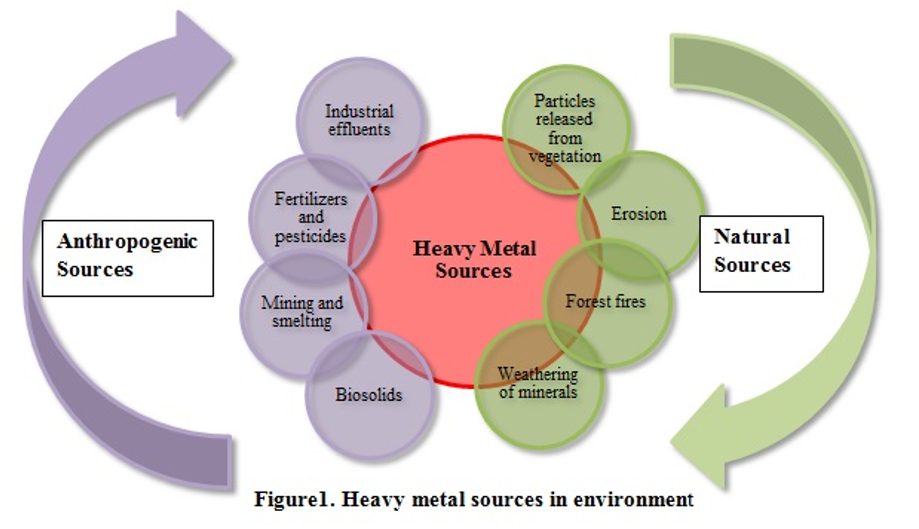
Heavy metals are metalloids that have high density and weight, at least 5 times greater as compared to water. In recent years, the industrial, agricultural, medicinal and technological activities have led to a sharp rise in heavy metal exposure in our environment. Even a small concentration of heavy metals is capable of inducing toxic effects on humans and on the overall environment. Toxicity may vary depending on the type of heavy metal, the form in which it is available and the type of individual it is exposed to. Among all the heavy metals, cadmium, arsenic, mercury and lead pose highest degree of toxicity and that is of great concern to plants and human health. This issue leads to challenge of environment conservation and protection from heavy metal exposure. This review provides an analysis about the occurrence of these metals in the environment, their toxicity potential in plants, and the plant defense mechanism against them for their survival.
References
[1] L. Järup (2003). Hazards of heavy metal contamination. Br. Med. Bull., 68: 167-182.
[2] D. O. Carpenter (2006). Polychlorinated biphenyls (PCBs): routes of exposure and effects on human health. Rev. Environ. Health, 21: 1-23.
[3] Q. I. A. Shiraz and M. Farid (2007). Statistical analysis of accumulation and sources of heavy metals occurrence in agricultural soils of Khoshk River Banks, Shiraz, Iran. Am. Eurasian J. Agric. Environ. Sci., 2: 565-573.
[4] L. E. Williams, J. K. Pittman and J. L. Hall (2000). Emerging mechanisms for heavy metals transport in plants. Biochim Biophys Acta, 1465: 104-126.
[5] H. S. Kim, Y. J. Kim and Y. R. Seo (2015). An overview of carcinogenic heavy metal: molecular toxicity mechanism and prevention. J. Cancer Prev., 20: 232.
[6] S. Sinha, K. Pandey, A. K. Gupta and K. Bhatt (2005). Accumulation of metals in vegetables and crops grown in the area irrigated with river water. Bull. Environ. Contam. Toxicol., 74: 210-218.
[7] A. Asati, M. Pichhode and K. Nikhil (2016). Effect of heavy metals on plants: an overview. Int. J. Appl. Innov. Eng. Manage., 5: 2319-4847.
[8] M. Jaishankar, T. Tseten, N. Anbalagan, B. B. Mathew and K. N. Beeregowda (2014). Toxicity, mechanism and health effects of some heavy metals. Interdiscip. Toxicol., 7: 60-72.
[9] P. C. Nagajyoti, K. D. Lee and T. V. M. Sreekanth (2010). Heavy metals, occurrence and toxicity for plants: a review. Environ. Chem. Lett., 8: 199-216.
[10] L. E. Bennett, J. L. Burkhead, K. L. Hale, N. Terry, M. Pilon, E. A. Pilon-Smits (2003). Analysis of transgenic Indian mustard plants for phytoremediation of metal-contaminated mine tailings. J. Environ. Qual., 32: 432-440.
[11] E. U. Ikhuoria and F. E. Okieimen (2000). Scavenging cadmium, copper, lead, nickel and zinc ions from aqueous solution by modified cellulosic sorbent. Int. J. Environ. Stud., 57: 401-409.
[12] Z. L. He, X. E. Yang and P. J. Stoffella (2005). Trace elements in agroecosystems and impacts on the environment. J. Trace Elem. Med. Biol., 19: 125-140.
[13] S. Rezapour, P. Kouhinezhad and A. Samadi (2018). The potential ecological risk of soil trace metals following over five decades of agronomical practices in a semi-arid environment. Chem. Ecol., 34: 70-85.
[14] J. O. Nriagu (1992). Toxic metal pollution in Africa. Sci. Total Environ., 121: 1-37.
[15] J. O. Nriagu (1989). A global assessment of natural sources of atmospheric trace metals. Nature, 338: 47.
[16] S. Shallari, C. Schwartz, A. Hasko and J. L. Morel (1998). Heavy metals in soils and plants of serpentine and industrial sites of Albania. Sci. Total Environ., 209: 133-142.
[17] V. M. Dembitsky and T. Rezanka (2003). Natural occurrence of arseno compounds in plants, lichens, fungi, algal species, and microorganisms. Plant Sci., 165: 1177-1192.
[18] S. Manohar, C. Jadia and M. H. Fulekar (2007). Impact of ganesh idol immersion on water quality. Indian J. Environ. Prot., 27: 216.
[19] V. Sukdolova, S. Negoita, L. Hubicki, A. Decaprio and D. O. Carpenter (2000). The assessment of risk to acquired hypothyroidism from exposure to PCBs: a study among Akwesasne Mohawk women. Cent. Eur. J. Publ. Heal., 8: 167-168.
[20] J. H. Duffus (2002). “Heavy metals" a meaningless term? (IUPAC Technical Report). Pure Appl. Chem., 74: 793-807.
[21] H. K. Chung, J. S. Nam, C. W. Ahn, Y. S. Lee and K. R. Kim (2016). Some elements in thyroid tissue are associated with more advanced stage of thyroid cancer in Korean women. Biol. Trace Elem. Res., 171: 54-62.
[22] M. B. Shakoor, N. K. Niazi, I. Bibi, M. M. Rahman, R. Naidu, Z. Dong, M. Shahid et al., (2015). Unraveling health risk and speciation of arsenic from groundwater in rural areas of Punjab, Pakistan. Int. J. Environ. Res. Public Health, 12: 12371-12390.
[23] R. Fuge, S. P. Glover, N. J. Pearce and W. T. Perkins (1991). Some observations on heavy metal concentrations in soils of the Mendip region of north somerset. Environ. Geochem. Health, 13: 193-196.
[24] A. K. Chopra, C. Pathak and G. Parasad (2009). Scenario of heavy metal contamination in agricultural soil and its management. J. Appl. Nat. Sci., 1: 99-108.
[25] B. Lauby-Secretan, D. Loomis, Y. Grosse, F. El Ghissassi, V. Bouvard, L. Benbrahim-Tallaa, N. Guha, et al., (2013). Carcinogenicity of polychlorinated biphenyls and polybrominated biphenyls. Lancet. Oncol., 14: 287-288.
[26] N. K. Niazi, B. Singh and B. Minasny (2015). Mid-infrared spectroscopy and partial least-squares regression to estimate soil arsenic at a highly variable arsenic-contaminated site. Int. J. Environ. Sci. Tech., 12: 1965-1974.
[27] Z. G. Shen, X. D. Li, C. C. Wang, H. M. Chen and H. Chua (2002). Lead phytoextraction from contaminated soil with high-biomass plant species. J. Environ. Qual., 31: 1893-1900.
[28] A. Arruti, I. Fernández-Olmo and A. Irabien (2010). Evaluation of the contribution of local sources to trace metals levels in urban PM2. 5 and PM10 in the Cantabria region (Northern Spain). J. Environ. Monit., 12: 1451-1458.
[29] M. U. Khan, R. N. Malik and S. Muhammad (2013). Human health risk from heavy metal via food crops consumption with wastewater irrigation practices in Pakistan. Chemosphere., 93: 2230-2238.
[30] V. Srivastava, A. S. F. De Araujo, B. Vaish, S. Bartelt-Hunt, P. Singh and R. P. Singh (2016). Biological response of using municipal solid waste compost in agriculture as fertilizer supplement. Rev. Environ. Sci. Biotechnol., 15: 677-696.
[31] G. Tóth, T. Hermann, M. R. Da Silva and L. Montanarella (2016). Heavy metals in agricultural soils of the European Union with implications for food safety. Environ. Int., 88: 299-309.
[32] R. Aryal, S. Beecham, B. Sarkar, M. N. Chong, A. Kinsela, J. Kandasamy and S. Vigneswaran (2017). Readily wash-off road dust and associated heavy metals on motorways. Water Air Soil Pollut., 228: 1.
[33] A. Zahra, M. Z. Hashmi, R. N. Malik and Z. Ahmed (2014). Enrichment and geo-accumulation of heavy metals and risk assessment of sediments of the Kurang Nallah—feeding tributary of the Rawal Lake Reservoir, Pakistan. Sci. Total Environ., 470: 925-933.
[34] G. Bridge (2004). Contested terrain: mining and the environment. Annu. Rev. Environ. Resour., 29: 205-259.
[35] M. Kucharzewski, J. Braziewicz, U. Majewska and S. Góźdź (2003). Copper, zinc, and selenium in whole blood and thyroid tissue of people with various thyroid diseases. Biol. Trace Elem. Res., 93: 9-18.
[36] R. Khlifi, and A. Hamza-Chaffai (2010). Head and neck cancer due to heavy metal exposure via tobacco smoking and professional exposure: a review. Toxicol. Appl. Pharmacol., 248: 71-88.
[37] E. Pilon-Smits (2005). Phytoremediation. Annu. Rev. Plant Biol., 56: 15-39.
[38] B. Pourrut, M. Shahid, F. Douuay, C. Dumat and E. Pinelli (2013). Molecular mechanisms involved in lead uptake, toxicity and detoxification in higher plants. . In: Gupta D., Corpas F., Palma J. (eds) Heavy Metal Stress in Plants. Springer, Berlin, Heidelberg.
[39] S. Wang and X. Shi (2001). Molecular mechanisms of metal toxicity and carcinogenesis. Mol. Cell. Biochem., 222: 3-9.
[40] D. Beyersmann and A. Hartwig (2018). Carcinogenic metal compounds: recent insight into molecular and cellular mechanisms. Arch. Toxicol., 82: 493. doi: 10.1007/s00204-008-0313-y
[41] A. Hordyjewska, L. Popiolek and J. Kocot (2014). The many “faces” of copper in medicine and treatment. Biometals., 27: 611-621.
[42] N. Soudani, M. Sefi, I. B. Amara, T. Boudawara and N. Zeghal (2010). Protective effects of selenium (Se) on chromium (VI) induced nephrotoxicity in adult rats. Ecotoxicol. Environ. Safe., 73: 671-678.
[43] S. J. S. Flora, M. Mittal and A. Mehta (2008). Heavy metal induced oxidative stress & its possible reversal by chelation therapy. Indian J. Med. Res., 128: 501-523.
[44] B. Yousaf, G. Liu, R. Wang, M. Imtiaz, M. S. Rizwan, M. Zia-Ur-Rehman, A. Qadir and Y. Si (2016). The importance of evaluating metal exposure and predicting human health risks in urban-periurban environments influenced by emerging industry. Chemosphere., 150: 79-89.
[45] Y. Y. Chen, J. Y. Zhu and K. M. Chan (2014). Effects of cadmium on cell proliferation, apoptosis, and proto-oncogene expression in zebrafish liver cells. Aquat. Toxicol., 157: 196-206.
[46] S. Staibano, F. Merolla, D. Testa, R. Lovine, M. Mascolo, V. Guarino, M. D. Castellone, et al., (2007). OPN/CD44v6 overexpression in laryngeal dysplasia and correlation with clinical outcome. Br. J. Cancer., 97: 1545-1551.
[47] Y. Yao and M. Costa (2014). Toxicogenomic effect of nickel and beyond. Arch. Toxicol., 88: 1645-1650.
[48] R. Mittler, S. Vanderauwera, N. Suzuki, G. Miller, V. B. Tognetti, K. Vandepoele, M. Gollery, et al., (2011). ROS signaling: the new wave? Trends Plant Sci., 16: 300-309.
[49] E. Islam, M. T. Khan and S. Irem (2015). Biochemical mechanisms of signaling: perspectives in plants under arsenic stress. Ecotoxicol. Environ. Safe., 114: 126-133.
[50] G. K. Harris and X. Shi (2003). Signaling by carcinogenic metals and metal-induced reactive oxygen species. Fund. Mol. Mech. Mut., 533: 183-200.
[51] L. Xiong and Y. Yang (2003). Disease resistance and abiotic stress tolerance in rice are inversely modulated by an abscisic acid–inducible mitogen-activated protein kinase. Plant Cell., 15: 745-759.
[52] H. Nakagami, A. Pitzschke and H. Hirt (2005). Emerging MAP kinase pathways in plant stress signaling. Trends Plant Sci., 10: 339-346.
[53] I. Dingjan, D. R. Verboogen, L. M. Paardekooper, N. H. Revelo, S. P. Sittig, L. J. Visser, G. V. D. Bogaart, et al., (2016). Lipid peroxidation causes endosomal antigen release for cross-presentation. Sci. Rep., 6: 22064.
[54] S. A. Anjum, U. Ashraf, I. Khan, M. Tanveer, M. Shahid, A. Shakoor and L. Wang (2017). Phyto-toxicity of chromium in maize: oxidative damage, osmolyte accumulation, anti-oxidative defense and chromium uptake. Pedosphere., 27: 262-273.
[55] K. Viehweger (2014). How plants cope with heavy metals. Bot. Stud., 55: 35. doi: 10.1186/1999-3110-55-35
[56] F. Q. Zhang, Y. S. Wang, Z. P. Lou and J. D. Dong (2007). Effect of heavy metal stress on antioxidative enzymes and lipid peroxidation in leaves and roots of two mangrove plant seedlings (Kandelia candel and Bruguiera gymnorrhiza). Chemosphere., 67: 44-50.
[57] L. Li, Y. Wang and W. Shen (2012). Roles of hydrogen sulfide and nitric oxide in the alleviation of cadmium-induced oxidative damage in alfalfa seedling roots. Biometals., 25: 617-631.
[58] S. Hattab, S. Hattab, M. L. Flores-Casseres, H. Boussetta, P. Doumas, L. E. Hernnandez and M. Banni (2016). Characterisation of lead-induced stress molecular biomarkers in Medicago sativa plants. Enivron. Exp. Bot., 123: 1-12.
[59] G. P. S. Sidhu, H. P. Singh, D. R. Batish and R.K. Kohli (2016). Effect of lead on oxidative status, antioxidative response, and metal accumulation in Coronopus didymus. Plant Physiol. Biochem., 105: 290-296.
[60] P. Venkatachalam, N. Jayalakshmi, N. Geetha, S. V. Sahi, N. C. Sharma, E. R. Rene, S. K. Sarkar and P. J. C. Favas (2017). Accumulation efficiency, efficiency, genotoxicity and antioxidant defense mechanism in medicinal plant Acalypha indica L.under lead stress. Chemosphere., 171: 544-553.
[61] T. Takemura, N. Hanagata, K. Sugihara, S. Baba I. karube and Z. Dubinsky (2000). Physiological and biological responses to salt stress in the mangrove, Bruguiera gymnorrhiza. Aquat. Bot., 68: 15-28.
[62] N. Rascio and F. Navari-Izzo (2011). Heavy metal hyperaccumulating plants: how and why do they do it? And what makes them so interesting? Plant Sci., 180: 169-181.
Downloads
Published
Issue
Section
License
Copyright (c) 2018 Author (s)

This work is licensed under a Creative Commons Attribution-NonCommercial-NoDerivatives 4.0 International License.
Copyright © The Author(s). This is an open access article distributed under the terms of the Creative Commons Attribution-NonCommercial-NoDerivatives 4.0 International License (CC BY-NC-ND 4.0), which permits unrestricted non-commercial use, distribution, and reproduction in any medium, provided the original author(s) and source are properly credited, and the work is not modified or adapted.